






19-Kurinji Nagar, Coimbatore-641014.
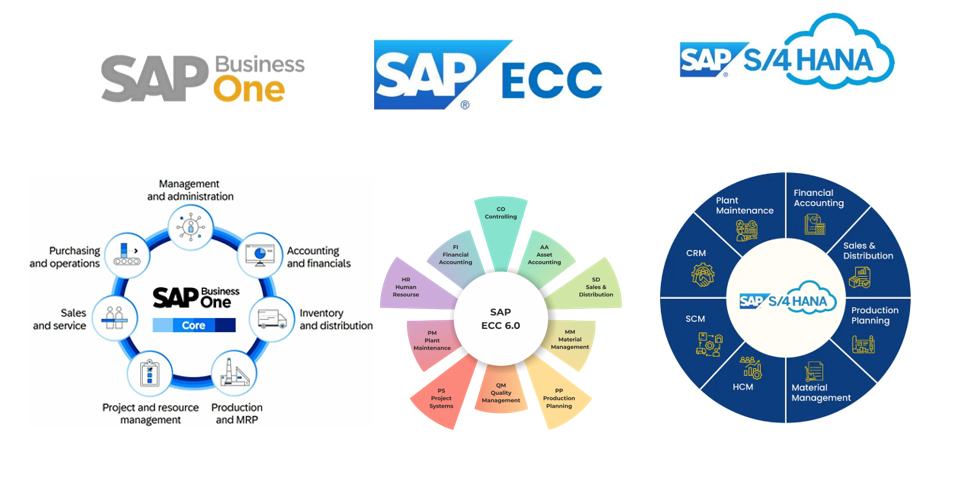
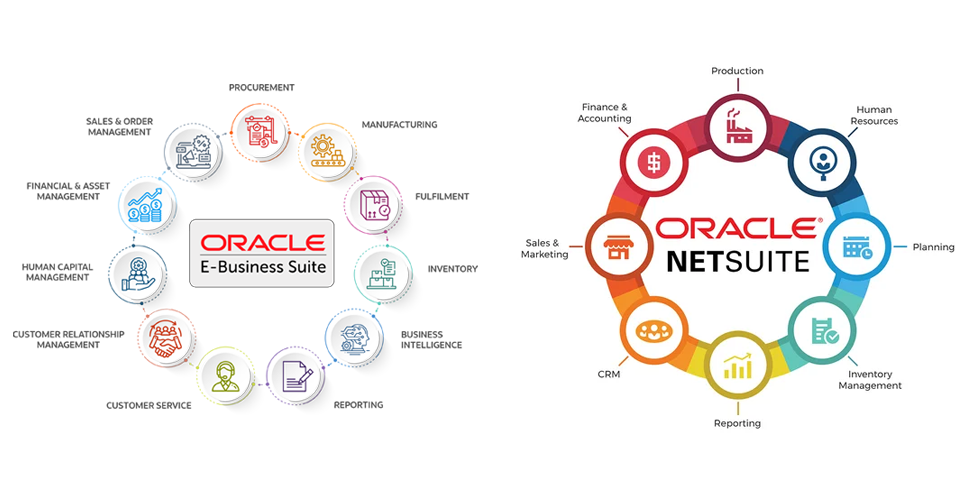
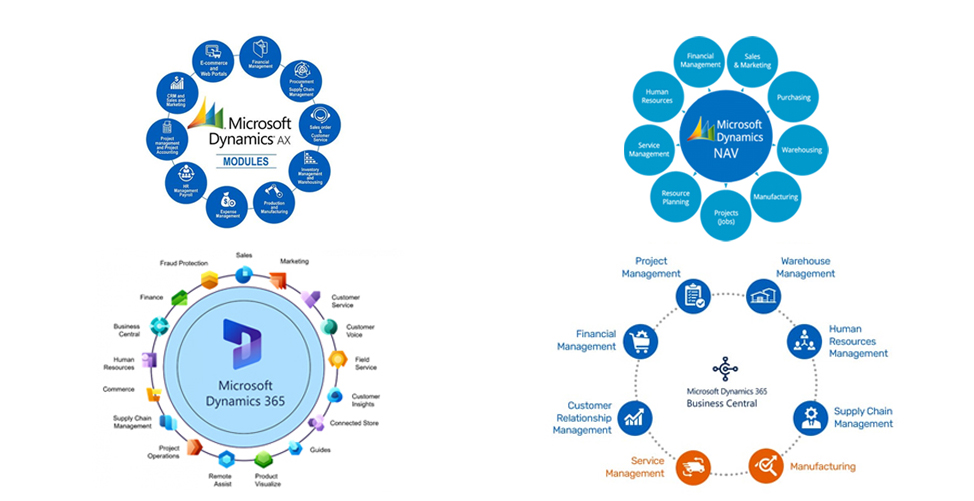
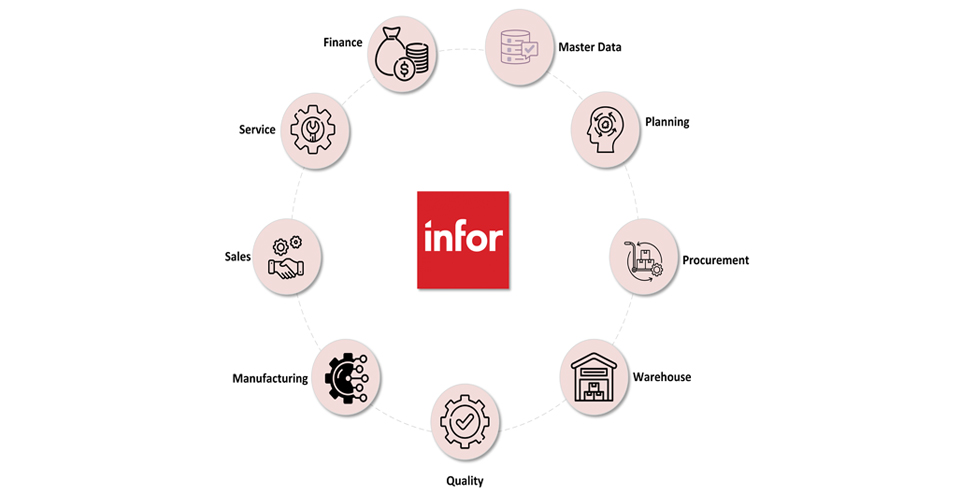
We ensure compliance, security, and efficiency across leading ERP platforms
Our ERP/Application audit offers significant benefits by evaluating the performance, security, compliance, and alignment of the ERP or business applications with organizational objectives. Here's a comprehensive list of these benefits:
• Evaluate whether the ERP system supports current business objectives.
• Identifies gaps between ERP functionalities and organizational requirements.
• Provides strategic insights to align the application with future business growth.
• Evaluate whether the ERP system supports current business objectives.
• Identifies gaps between ERP functionalities and organizational requirements.
• Provides strategic insights to align the application with future business growth.
• Detects redundant licenses, unnecessary customizations, or unused modules that can be eliminated.
• Assesses integration inefficiencies that may lead to high operational costs.
• Recommends ways to reduce system downtime and maintenance costs.
• Detects redundant licenses, unnecessary customizations, or unused modules that can be eliminated.
• Assesses integration inefficiencies that may lead to high operational costs.
• Recommends ways to reduce system downtime and maintenance costs.
• Uncovers security vulnerabilities and risks, ensuring data protection.
• Ensures compliance with industry standards, regulatory requirements, and company policies.
• Mitigates risks of data breaches and unauthorized access.
• Uncovers security vulnerabilities and risks, ensuring data protection.
• Ensures compliance with industry standards, regulatory requirements, and company policies.
• Mitigates risks of data breaches and unauthorized access.
• Assesses the need for system upgrades, patches, or migration to a newer platform.
• Recommends the adoption of emerging technologies like AI, ML, or IoT for competitive advantage.
• Guides clients in planning a phased and cost-effective implementation.
• Assesses the need for system upgrades, patches, or migration to a newer platform.
• Recommends the adoption of emerging technologies like AI, ML, or IoT for competitive advantage.
• Guides clients in planning a phased and cost-effective implementation.
• Identifies opportunities to leverage ERP to gain a competitive edge.
• Benchmarks ERP performance and practices against industry standards.
• Provides actionable insights to stay ahead in a dynamic market.
• Identifies opportunities to leverage ERP to gain a competitive edge.
• Benchmarks ERP performance and practices against industry standards.
• Provides actionable insights to stay ahead in a dynamic market.
• Justifies the investment in ERP by showcasing realized and potential benefits.
• Provides actionable recommendations to maximize ERP/system ROI.
• Highlights areas where additional investments may lead to exponential returns.
• Justifies the investment in ERP by showcasing realized and potential benefits.
• Provides actionable recommendations to maximize ERP/system ROI.
• Highlights areas where additional investments may lead to exponential returns.
• Gathers user feedback to identify usability issues and training gaps.
• Proposes UI/UX improvements for better adoption and satisfaction.
• Ensures that the system meets end-user expectations.
• Gathers user feedback to identify usability issues and training gaps.
• Proposes UI/UX improvements for better adoption and satisfaction.
• Ensures that the system meets end-user expectations.
• Audits data consistency and integrity within the ERP system.
• Identifies duplicate, outdated, or incomplete data for clean-up.
• Enhances decision-making through improved data reliability.
• Audits data consistency and integrity within the ERP system.
• Identifies duplicate, outdated, or incomplete data for clean-up.
• Enhances decision-making through improved data reliability.
• Analyses system performance metrics such as speed, response time, and uptime.
• Identifies hardware or software issues affecting performance.
• Provides recommendations for scalability and infrastructure upgrades.
• Analyses system performance metrics such as speed, response time, and uptime.
• Identifies hardware or software issues affecting performance.
• Provides recommendations for scalability and infrastructure upgrades.
• Evaluates disaster recovery and business continuity plans tied to the ERP.
• Identifies critical failure points and proposes risk mitigation strategies.
• Ensures minimal business disruption in case of system outages.
• Evaluates disaster recovery and business continuity plans tied to the ERP.
• Identifies critical failure points and proposes risk mitigation strategies.
• Ensures minimal business disruption in case of system outages.
• Evaluate the performance of the ERP/application vendor or implementation partner.
• Ensures adherence to service-level agreements (SLAs).
• Negotiates better terms for future contracts or support agreements.
• Evaluate the performance of the ERP/application vendor or implementation partner.
• Ensures adherence to service-level agreements (SLAs).
• Negotiates better terms for future contracts or support agreements.
• Identifies process inefficiencies or bottlenecks within the ERP system.
• Highlights underutilized or misconfigured features, enabling better resource utilization.
• Optimizes workflows for faster processing and improved productivity.

• Identifies process inefficiencies or bottlenecks within the ERP system.
• Highlights underutilized or misconfigured features, enabling better resource utilization.
• Optimizes workflows for faster processing and improved productivity.

• Evaluate whether the ERP system supports current business objectives.
• Identifies gaps between ERP functionalities and organizational requirements.
• Provides strategic insights to align the application with future business growth.
• Gathers user feedback to identify usability issues and training gaps.
• Proposes UI/UX improvements for better adoption and satisfaction.
• Ensures that the system meets end-user expectations.
• Detects redundant licenses, unnecessary customizations, or unused modules that can be eliminated.
• Assesses integration inefficiencies that may lead to high operational costs.
• Recommends ways to reduce system downtime and maintenance costs.
• Audits data consistency and integrity within the ERP system.
• Identifies duplicate, outdated, or incomplete data for clean-up.
• Enhances decision-making through improved data reliability.
• Uncovers security vulnerabilities and risks, ensuring data protection.
• Ensures compliance with industry standards, regulatory requirements, and company policies.
• Mitigates risks of data breaches and unauthorized access.
• Analyses system performance metrics such as speed, response time, and uptime.
• Identifies hardware or software issues affecting performance.
• Provides recommendations for scalability and infrastructure upgrades.
• Assesses the need for system upgrades, patches, or migration to a newer platform.
• Recommends the adoption of emerging technologies like AI, ML, or IoT for competitive advantage.
• Guides clients in planning a phased and cost-effective implementation.
• Evaluates disaster recovery and business continuity plans tied to the ERP.
• Identifies critical failure points and proposes risk mitigation strategies.
• Ensures minimal business disruption in case of system outages.
• Identifies opportunities to leverage ERP to gain a competitive edge.
• Benchmarks ERP performance and practices against industry standards.
• Provides actionable insights to stay ahead in a dynamic market.
• Evaluate the performance of the ERP/application vendor or implementation partner.
• Ensures adherence to service-level agreements (SLAs).
• Negotiates better terms for future contracts or support agreements.
• Justifies the investment in ERP by showcasing realized and potential benefits.
• Provides actionable recommendations to maximize ERP/system ROI.
• Highlights areas where additional investments may lead to exponential returns.
• Identifies process inefficiencies or bottlenecks within the ERP system.
• Highlights underutilized or misconfigured features, enabling better resource utilization.
• Optimizes workflows for faster processing and improved productivity.

• Evaluate whether the ERP system supports current business objectives.
• Identifies gaps between ERP functionalities and organizational requirements.
• Provides strategic insights to align the application with future business growth.
• Gathers user feedback to identify usability issues and training gaps.
• Proposes UI/UX improvements for better adoption and satisfaction.
• Ensures that the system meets end-user expectations.
• Detects redundant licenses, unnecessary customizations, or unused modules that can be eliminated.
• Assesses integration inefficiencies that may lead to high operational costs.
• Recommends ways to reduce system downtime and maintenance costs.
• Audits data consistency and integrity within the ERP system.
• Identifies duplicate, outdated, or incomplete data for clean-up.
• Enhances decision-making through improved data reliability.
• Uncovers security vulnerabilities and risks, ensuring data protection.
• Ensures compliance with industry standards, regulatory requirements, and company policies.
• Mitigates risks of data breaches and unauthorized access.
• Analyses system performance metrics such as speed, response time, and uptime.
• Identifies hardware or software issues affecting performance.
• Provides recommendations for scalability and infrastructure upgrades.
• Assesses the need for system upgrades, patches, or migration to a newer platform.
• Recommends the adoption of emerging technologies like AI, ML, or IoT for competitive advantage.
• Guides clients in planning a phased and cost-effective implementation.
• Evaluates disaster recovery and business continuity plans tied to the ERP.
• Identifies critical failure points and proposes risk mitigation strategies.
• Ensures minimal business disruption in case of system outages.
• Identifies opportunities to leverage ERP to gain a competitive edge.
• Benchmarks ERP performance and practices against industry standards.
• Provides actionable insights to stay ahead in a dynamic market.
• Evaluate the performance of the ERP/application vendor or implementation partner.
• Ensures adherence to service-level agreements (SLAs).
• Negotiates better terms for future contracts or support agreements.
• Justifies the investment in ERP by showcasing realized and potential benefits.
• Provides actionable recommendations to maximize ERP/system ROI.
• Highlights areas where additional investments may lead to exponential returns.
• Identifies process inefficiencies or bottlenecks within the ERP system.
• Highlights underutilized or misconfigured features, enabling better resource utilization.
• Optimizes workflows for faster processing and improved productivity.
By conducting a thorough ERP/Application audit, clients gain clarity on their system's performance, risks, and alignment with strategic goals, leading to informed decision-making and sustainable improvements.
*All logos & trademarks are properties of respective owners
• Evaluate whether the ERP system supports current business objectives.
• Identifies gaps between ERP functionalities and organizational requirements.
• Provides strategic insights to align the application with future business growth.
• Gathers user feedback to identify usability issues and training gaps.
• Proposes UI/UX improvements for better adoption and satisfaction.
• Ensures that the system meets end-user expectations.
• Detects redundant licenses, unnecessary customizations, or unused modules that can be eliminated.
• Assesses integration inefficiencies that may lead to high operational costs.
• Recommends ways to reduce system downtime and maintenance costs.
• Audits data consistency and integrity within the ERP system.
• Identifies duplicate, outdated, or incomplete data for clean-up.
• Enhances decision-making through improved data reliability.
• Uncovers security vulnerabilities and risks, ensuring data protection.
• Ensures compliance with industry standards, regulatory requirements, and company policies.
• Mitigates risks of data breaches and unauthorized access.
• Analyses system performance metrics such as speed, response time, and uptime.
• Identifies hardware or software issues affecting performance.
• Provides recommendations for scalability and infrastructure upgrades.
• Assesses the need for system upgrades, patches, or migration to a newer platform.
• Recommends the adoption of emerging technologies like AI, ML, or IoT for competitive advantage.
• Guides clients in planning a phased and cost-effective implementation.
• Evaluates disaster recovery and business continuity plans tied to the ERP.
• Identifies critical failure points and proposes risk mitigation strategies.
• Ensures minimal business disruption in case of system outages.
• Identifies opportunities to leverage ERP to gain a competitive edge.
• Benchmarks ERP performance and practices against industry standards.
• Provides actionable insights to stay ahead in a dynamic market.
• Evaluate the performance of the ERP/application vendor or implementation partner.
• Ensures adherence to service-level agreements (SLAs).
• Negotiates better terms for future contracts or support agreements.
• Justifies the investment in ERP by showcasing realized and potential benefits.
• Provides actionable recommendations to maximize ERP/system ROI.
• Highlights areas where additional investments may lead to exponential returns.
• Identifies process inefficiencies or bottlenecks within the ERP system.
• Highlights underutilized or misconfigured features, enabling better resource utilization.
• Optimizes workflows for faster processing and improved productivity.

A Division of Astral Business Consulting LLP.
Empowering businesses with expert ERP audits to optimize performance, ensure compliance, and enhance security.

A-Block, 19-Kurinji Nagar, Civil Aerodrome Post , Coimbatore-641014, Tamilnadu, India.
© 2025 ERP Audit. All Rights Reserved. Designed by MI MEDIA LABS
We offer comprehensive ERP audits designed to maximize the value of your ERP systems while ensuring compliance with the latest regulations, including the Digital Personal Data Protection (DPDP) Act, and safeguarding against emerging cybersecurity threats. We identify vulnerabilities and provide solutions to safeguard your systems against potential threats, ensuring your ERP is secure and compliant with industry standards. Our audit service ensures you get the most out of your ERP by aligning it with your business goals.
Read MoreYour digital success is our priority. How can we assist you today?